
Reading PA Divorce Records Guide
Reading is the county seat of Berks County and Pennsylvania's fourth largest city. All divorce filings for Reading residents are processed through the Berks County Court of Common Pleas. The Prothonotary's Office at the Berks County Courthouse in downtown Reading maintains official records for all divorce cases in the county. This guide covers how to search for Reading divorce records, what documents are available, and how Pennsylvania law shapes the process.
Reading Quick Facts
Reading Divorce Records and Berks County Court
Reading serves as the county seat of Berks County. The Berks County Courthouse is located in downtown Reading, which means residents filing for divorce are within reach of the court without extensive travel. The Berks County Court of Common Pleas handles all family law matters for Reading and the surrounding region.
The Prothonotary's Office at the Berks County Courthouse is the official custodian of civil court records, including all divorce filings, orders, and decrees. When a divorce action is initiated in Berks County, the complaint and all subsequent filings become part of the permanent court record maintained by the Prothonotary.
Reading is known locally as the Pretzel City, a nod to its Pennsylvania German heritage and food traditions. The city has a population of approximately 95,000, making it one of the larger urban centers in eastern Pennsylvania. Despite its size, Reading functions like other Pennsylvania cities in that judicial services are handled at the county level rather than through city offices.
For general information about how Pennsylvania's court system is organized, the Pennsylvania Courts of Common Pleas page provides an overview of all judicial districts, including the Berks County court where Reading cases are heard.
How to Search Reading Divorce Records Online
The most accessible starting point for online research is Pennsylvania's statewide case portal. The UJS Case Search Portal covers all Courts of Common Pleas, including Berks County. Users can search by party name, docket number, or a combination of filters.
Search results on the portal show docket entries, case status, hearing information, and key dates. The portal does not always include scanned copies of all filed documents. For a complete file review, contact the Berks County Prothonotary's Office directly. In-person visits to the courthouse allow access to physical case files. Remote requests may be available by mail or phone depending on current office procedures.
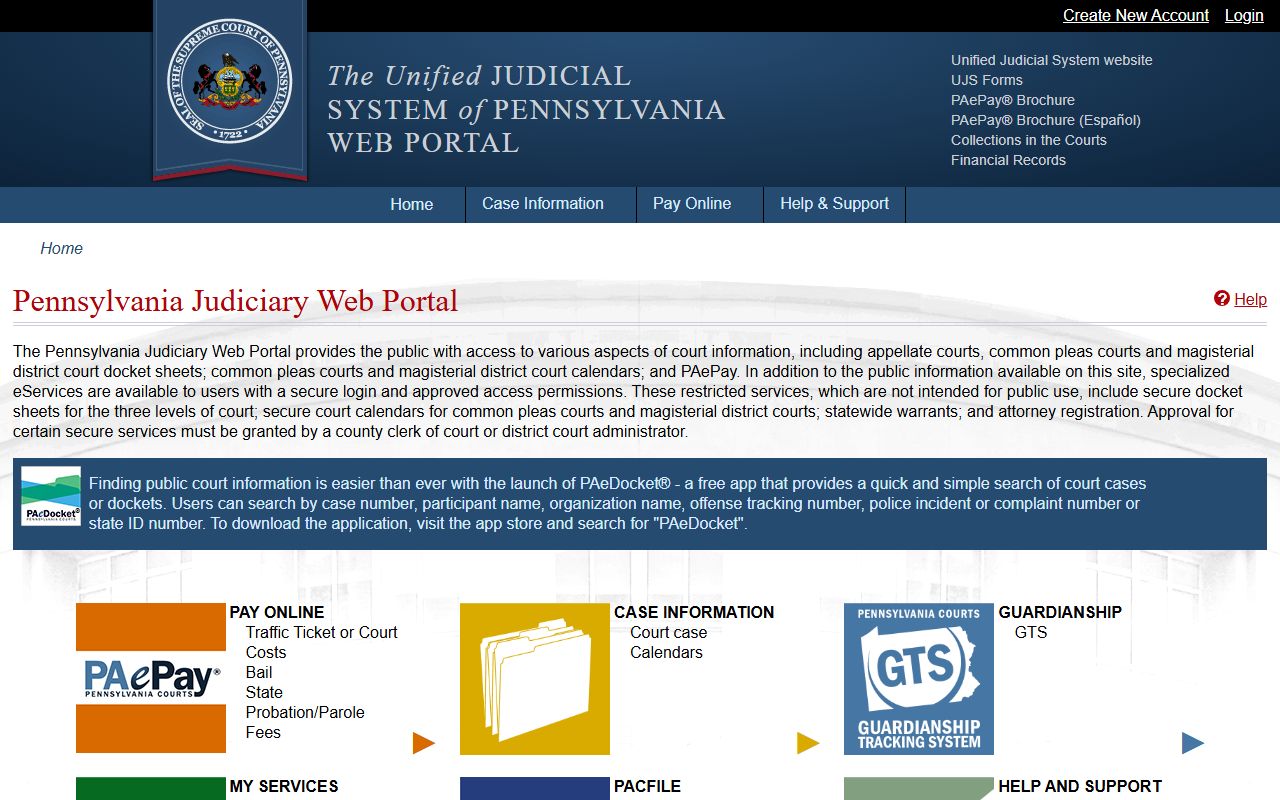
The Pennsylvania Unified Judicial System portal is the statewide hub for court records. Berks County divorce cases filed in Reading are indexed in this system. Searches are free and accessible to the public, though some document-level access may require in-person requests at the courthouse.
Filing Divorce in Reading: Pennsylvania Requirements
Residency is the first requirement. Pennsylvania law under 23 Pa. C.S. § 3104 mandates that at least one spouse must have lived in Pennsylvania for a minimum of six months before a divorce action can be filed. Reading residents who meet this threshold may file at the Berks County Courthouse.
Grounds for divorce in Pennsylvania are defined under 23 Pa. C.S. § 3301. No-fault divorce is the most common approach. It allows couples to divorce by mutual consent after a mandatory 90-day waiting period. When only one spouse seeks the divorce, the law permits filing after a one-year separation. The law also recognizes fault-based grounds such as desertion, cruel and barbarous treatment, bigamy, and imprisonment.
The 90-day mutual consent path begins when the divorce complaint is served on the responding spouse. After the 90-day period, both parties sign affidavits of consent. Once submitted, the court can enter the final decree. The one-year separation path requires one affidavit from the filing spouse and allows the other to contest or accept the filing.
The procedural rules for all Pennsylvania divorce actions are governed by Chapter 1920 of the Pennsylvania Rules of Civil Procedure. These rules detail every step of the process, from complaint filing through final decree. Understanding them is helpful even for parties who plan to hire legal counsel.
Reading Divorce Records: Property and Alimony
Pennsylvania does not divide marital property equally by default. The state follows equitable distribution principles under 23 Pa. C.S. § 3502. Courts consider factors including the length of the marriage, each spouse's age and health, their respective incomes, and their contributions to marital property. The goal is a fair result, not a 50/50 split.
Alimony in Pennsylvania is governed by 23 Pa. C.S. § 3701. The court examines each party's earning capacity, the standard of living during the marriage, and the duration of the marriage, among other factors. Alimony is not guaranteed. It must be specifically requested and justified before the court will award it.
In Reading divorce cases where the parties own real property, retirement accounts, or business interests, the Berks County Court of Common Pleas has authority to issue equitable distribution orders. These orders become part of the public court record. Certified copies of these orders can be obtained from the Prothonotary's Office.
The complete text of Pennsylvania's Domestic Relations Code is accessible through the Pennsylvania Legislature website. Title 23 covers all family law matters, including divorce, property distribution, and alimony.
Vital Records Versus Reading Divorce Court Files
Pennsylvania maintains two separate systems for documenting divorces. Knowing the difference helps you request the right record.
The Pennsylvania Department of Health issues divorce certificates as official vital records. These certificates confirm that a divorce occurred and include basic identifying information. They do not contain detailed legal findings or property orders. The Pennsylvania Department of Health vital records office handles these requests. For those researching from out of state, the CDC's NCHS Where to Write page provides guidance on obtaining Pennsylvania vital records.
Full court records are held by the Berks County Prothonotary. These are the complete case files containing all filings, orders, and the final decree. A vital record certificate confirms the divorce. The court file shows the full legal record of what happened.
Most people need only the vital record certificate for name changes or administrative purposes. Legal proceedings, estate matters, or reviewing the terms of a prior decree typically require the full court file.
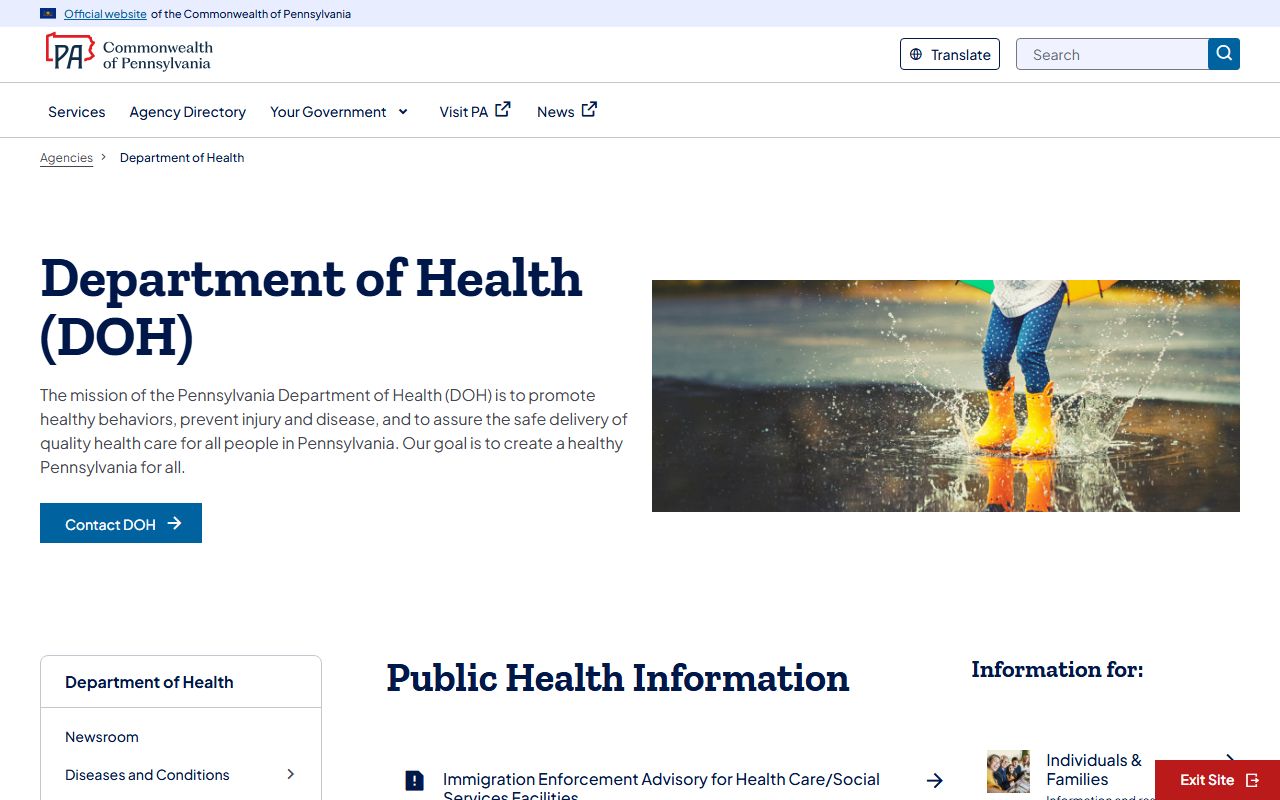
The Pennsylvania Department of Health manages vital records including divorce certificates. These summary documents differ from the full court files held at the Berks County Courthouse. Reading residents may need one or both types depending on their purpose.
Public Access to Reading Divorce Records
Pennsylvania law supports public access to court records. The Right-to-Know Law, codified at 65 P.S. § 67.101, is administered by the Pennsylvania Office of Open Records. This framework gives members of the public the right to request access to records held by government agencies, including court-related offices.
Most divorce records in Berks County are accessible to the public. Exceptions exist for cases involving minor children, domestic violence, or records sealed by court order. If you encounter restricted records, the Office of Open Records can advise on how to proceed with a formal request.
Accessing records at the Berks County Courthouse generally requires presenting identification and paying applicable copy fees. The Prothonotary's Office can provide guidance on current procedures and costs. Remote access options may also be available for certain records.
Legal Resources for Reading Residents
Self-represented divorce filers in Reading have access to several resources. The Berks County Courthouse may have a self-help center with forms and guidance for pro se parties. Contact the court directly to confirm what assistance is available.
For residents who cannot afford private legal counsel, PA Legal Aid connects eligible individuals with free or reduced-cost legal services in family law. Berks County is served by affiliated legal aid providers. Income eligibility rules apply, but even a brief consultation can clarify rights and obligations under Pennsylvania law.
The Pennsylvania Court Records divorce resource page offers general background on the Pennsylvania divorce process, document types, and record access. It is a useful starting point for anyone who is unfamiliar with the court system.
Note: Reading residents who have questions about specific court procedures should contact the Berks County Court of Common Pleas directly. Court staff can answer procedural questions without providing legal advice.
Berks County Divorce Records
Reading residents file all divorce actions at the Berks County Courthouse in downtown Reading. The Berks County Court of Common Pleas and its Prothonotary's Office are the authoritative sources for all divorce court records in the county. The county page provides additional detail on how to access these records.
Nearby Pennsylvania Cities
Divorce records for other Pennsylvania cities are accessible through their respective county courthouse systems.