
Pittsburgh Divorce Records Search
Pittsburgh residents who need to locate divorce records must work through Allegheny County's court system. The city falls within the Fifth Judicial District of Pennsylvania, and all divorce proceedings are handled by the Family Division of the Court of Common Pleas. Records are maintained by the Prothonotary's Office at the Allegheny County Courthouse, as well as through the Department of Court Records (DCR). Whether you are researching your own case or a historical filing, this guide explains where to search and what to expect.
Pittsburgh Quick Facts
Pittsburgh Divorce Records and the Allegheny County Court System
Pittsburgh is Pennsylvania's second largest city, with a population of roughly 302,000. As a city in Allegheny County, all family law matters originate in Allegheny County's Court of Common Pleas. The Fifth Judicial District serves this entire county, including every Pittsburgh neighborhood from the North Shore to Mount Washington.
The Family Division handles all divorce cases for Pittsburgh residents. This division is specifically structured to manage domestic relations matters, including contested and uncontested divorces, equitable distribution hearings, and related proceedings. Knowing which division handles your case makes navigation much easier.
The Allegheny County Family Division Divorce Department is the primary point of contact for active divorce proceedings. Staff there can help filers understand procedural requirements and direct them to the correct forms. For general court information, the Allegheny County Courts website provides contact directories, hours, and courthouse locations.
The City of Pittsburgh provides a range of municipal services, but legal and court functions sit with Allegheny County. The distinction matters when you are trying to find the right office. City departments handle licenses, permits, and local services. Court records, including divorce filings, are a county function.
How to Access Pittsburgh Divorce Records Online
Pennsylvania operates a statewide case search portal that covers all Courts of Common Pleas. The UJS Case Search Portal allows users to look up cases by party name, docket number, or filing date. This is the fastest way to confirm whether a divorce was filed in Allegheny County.
The portal does not provide every document in a case file. You will see docket entries, case status, hearing dates, and some filed documents. For complete records, you may need to contact the Department of Court Records directly. The Allegheny Department of Court Records manages case files and can provide certified copies upon request.
Certified copies are often needed for legal purposes. Remarriage, estate administration, immigration proceedings, and insurance changes may all require certified proof of a prior divorce. The DCR handles these requests for Allegheny County cases. Processing times vary, so planning ahead is recommended.
Note: The UJS portal is a public-access system. Basic case information is visible without an account. More detailed searches may require creating a free user profile on the portal.
Pittsburgh Divorce Case Filing Requirements
Pennsylvania law under Chapter 1920 of the Pennsylvania Rules of Civil Procedure governs how divorce actions are filed. Before filing, at least one spouse must have been a Pennsylvania resident for a minimum of six months. This requirement comes from 23 Pa. C.S. § 3104 and applies uniformly across all Pennsylvania counties, including Allegheny.
Pennsylvania recognizes both no-fault and fault-based grounds for divorce under 23 Pa. C.S. § 3301. The no-fault path is the most common. It allows divorce by mutual consent after a 90-day waiting period or after a one-year separation period if only one spouse consents. Fault-based grounds include abandonment, cruel treatment, and similar circumstances.
Filing takes place at the Allegheny County Courthouse. The Prothonotary's Office in the Family Division receives new case filings. Filers must submit the complaint for divorce along with all required supporting documents. Filing fees apply at the time of submission.
Equitable distribution of marital property is addressed under 23 Pa. C.S. § 3502. Alimony claims fall under § 3701. Pittsburgh cases involving complex asset division, pension plans, or business interests may extend the litigation timeline significantly beyond the minimum statutory periods.
The Pittsburgh City Government page provides information about municipal departments and services. While city offices do not maintain divorce records, they can assist with related needs such as address verification, property records, and local services that may become relevant during divorce proceedings.
Vital Records Versus Divorce Court Records
There are two separate systems for divorce-related records in Pennsylvania. Understanding the difference saves time.
The Pennsylvania Department of Health issues divorce certificates as vital records. These are summary documents confirming that a divorce occurred. They do not contain detailed legal findings or property orders. You can request these certificates through the Pennsylvania Department of Health vital records office. The CDC also maintains a reference guide for Pennsylvania vital records through the NCHS Where to Write for Vital Records page.
Court records are different. They are the full case files maintained by the Prothonotary or Department of Court Records at the county level. These include the original complaint, all legal motions, court orders, and the final divorce decree. Pittsburgh residents seeking the full court file must contact the Allegheny County DCR.
Both types of records serve different purposes. A divorce certificate may be sufficient for name change documentation. A full court record is needed when reviewing property settlement terms, support orders, or custody provisions.
Pennsylvania Right-to-Know and Divorce Record Access
Court records in Pennsylvania are generally public under the principle of open access. The Pennsylvania Office of Open Records administers the Right-to-Know Law, codified at 65 P.S. § 67.101. This law supports public access to government records, including those held by court-related agencies.
Some divorce records are sealed or restricted. Cases involving minor children, domestic violence allegations, or sensitive financial disclosures may have portions protected from public view. If you encounter restricted records, the Office of Open Records can advise on the formal request process.
Members of the public, including parties to a case and third-party researchers, may request access to Allegheny County divorce records. Identification is typically required. Fees may apply for copies. The DCR website at dcr.alleghenycounty.us provides current fee schedules and request procedures.
Legal Assistance for Pittsburgh Divorce Cases
Not everyone can afford private legal counsel. Pennsylvania provides resources for lower-income residents. PA Legal Aid connects eligible individuals with free or reduced-cost legal assistance in family law matters, including divorce. Allegheny County is served by Neighborhood Legal Services and other affiliated organizations.
The Pennsylvania Courts of Common Pleas system provides self-help resources through many county courthouses. The Allegheny County Family Division may have a self-help center or pro se forms available for unrepresented parties. Contact the courthouse directly for current availability.
Legal aid services are income-based. Not all divorce situations qualify for assistance. However, even a single consultation can help a party understand their rights under Pennsylvania's equitable distribution and alimony statutes before proceeding.
For a broader overview of Pennsylvania divorce law, the Pennsylvania Court Records divorce resource page offers general guidance on the process and document types involved. Additionally, the full text of Pennsylvania's domestic relations code is available through the Pennsylvania Legislature's website.
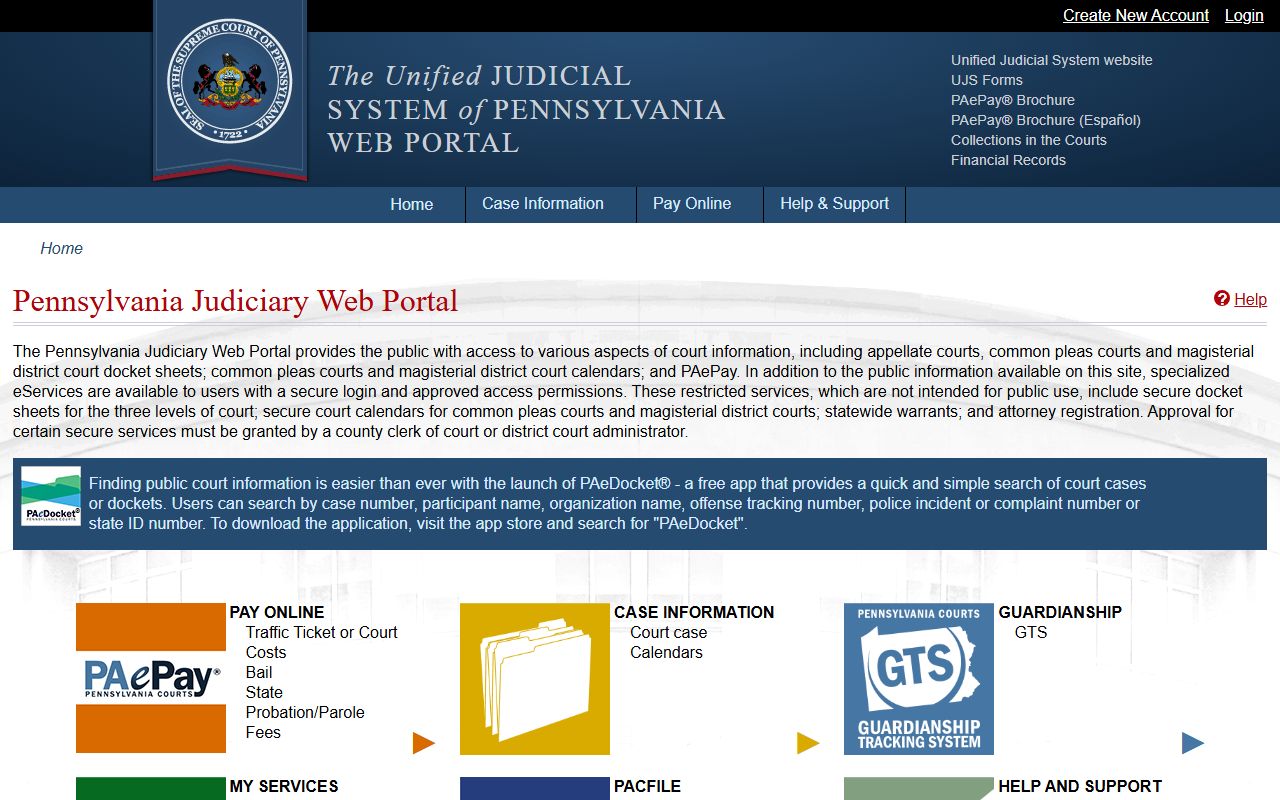
The Pennsylvania Unified Judicial System portal is the statewide hub for court case searches. Pittsburgh divorce cases filed in Allegheny County are indexed here. The portal covers all Courts of Common Pleas across the state and is updated regularly as new filings are processed.
Allegheny County Divorce Records
Pittsburgh residents file all divorce actions at the Allegheny County Courthouse through the Family Division of the Court of Common Pleas. The Department of Court Records manages case files after filing. For complete record access, certified copies, and docket information, the county is the authoritative source for all Pittsburgh divorce cases.
Nearby Pennsylvania Cities
Divorce records for other major Pennsylvania cities are accessible through their respective county courts.